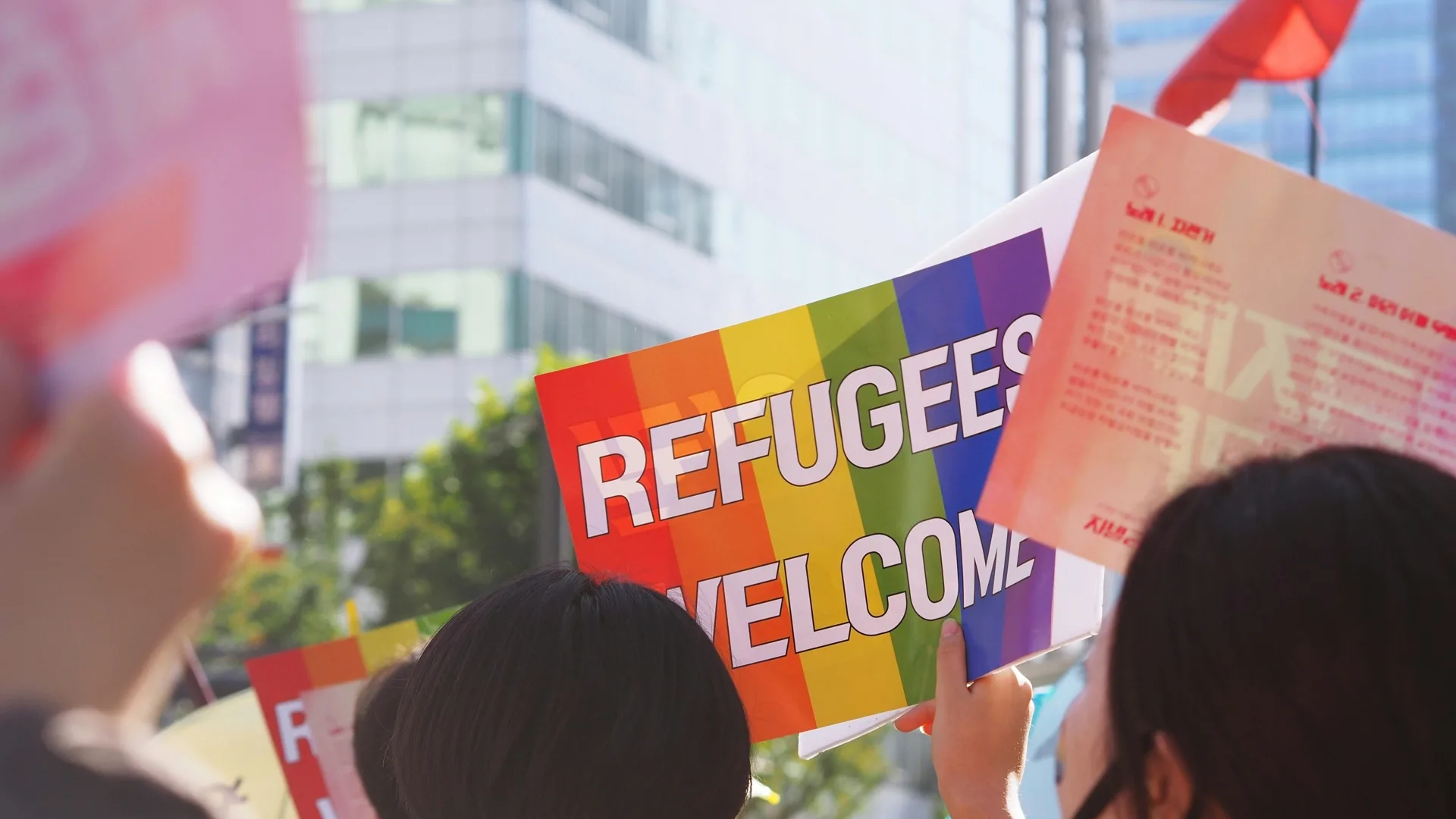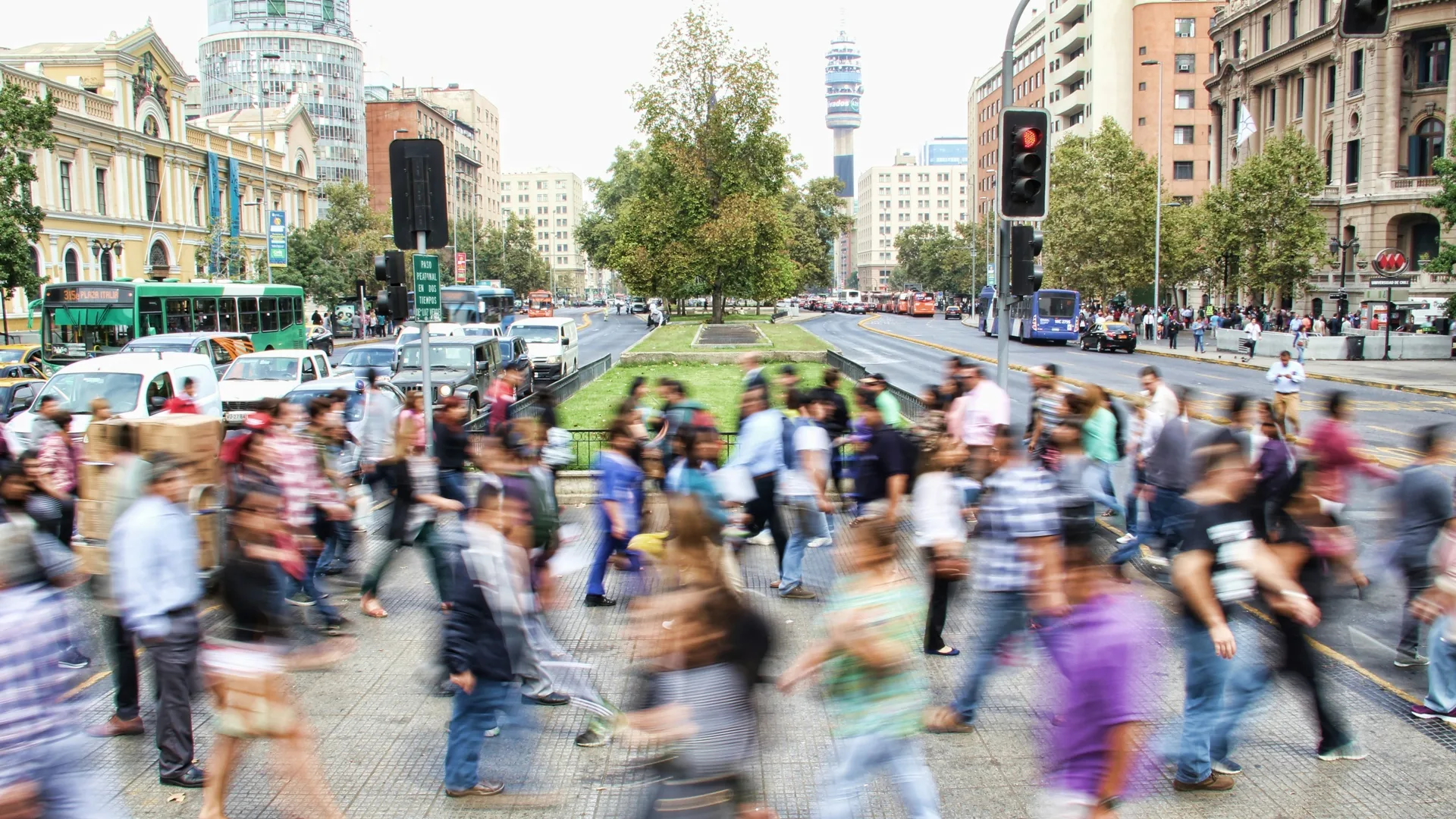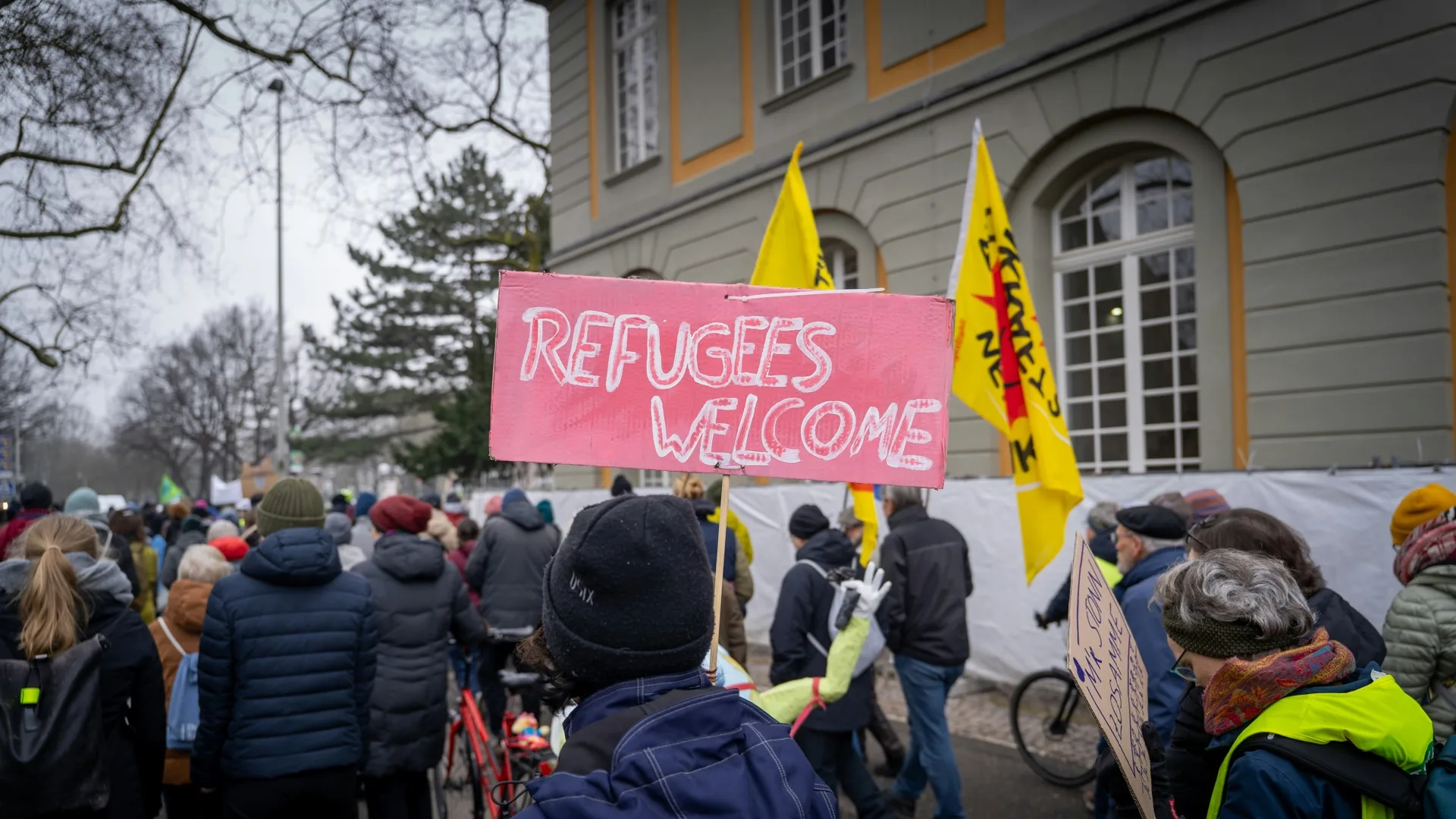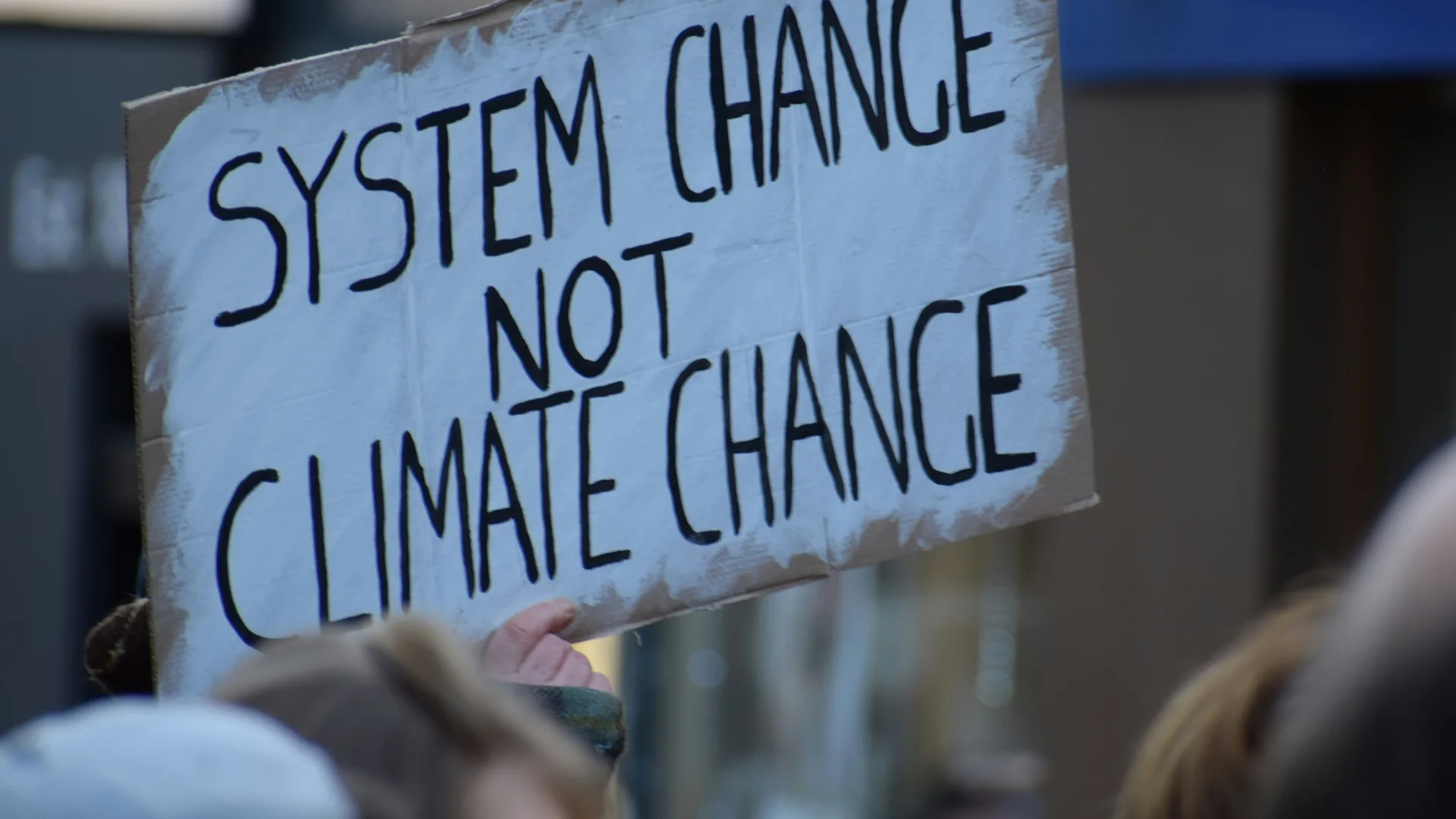
In this theoretical paper, the intersection of human migration and climate change is investigated, highlighting growing evidence that environmental and climatic changes act as triggers for both voluntary and forced displacement. The authors argue that this connection calls for anticipatory and proactive engagement at global, regional, and local levels.
Recent evidence indicates that climate change is likely to displace large populations from rural to urban areas, with onward migration occurring when urban centers also become uninhabitable.
Climate change is increasingly recognized as a “threat multiplier” that intensifies existing vulnerabilities and disproportionately affects already at-risk populations. Worst-case projections suggest that nearly one-third of the world’s population could be exposed to extremely hot, uninhabitable climates under business-as-usual scenarios.
The authors conclude that current migration regimes, originally designed for post–World War II Europe, are inadequate for addressing climate-related population movements. They emphasize the need to use existing legal instruments to support new local, regional, and international protection arrangements, particularly since most environmental migrants will remain within their own countries.
Migration is therefore reframed not only as a consequence of climate instability but also as an adaptation strategy, and it is stressed that climate-driven mobility must be anticipated, planned for, and supported.
Learn more about this paper here: https://doi.org/10.1007/s40572-020-00291-4
Reference
Balsari, S., Dresser, C. & Leaning, J. Climate Change, Migration, and Civil Strife. Curr Envir Health Rpt 7, 404–414 (2020)