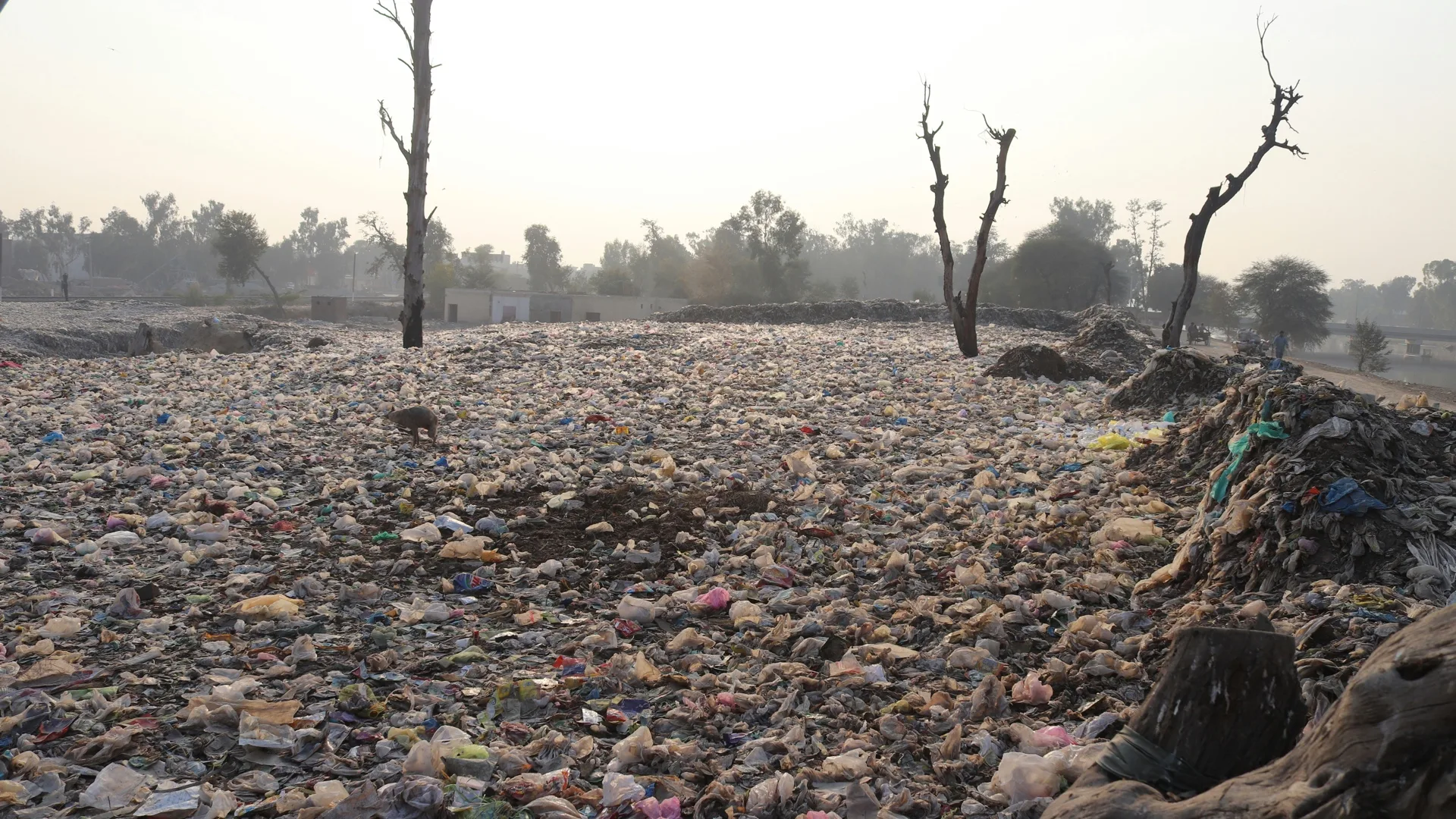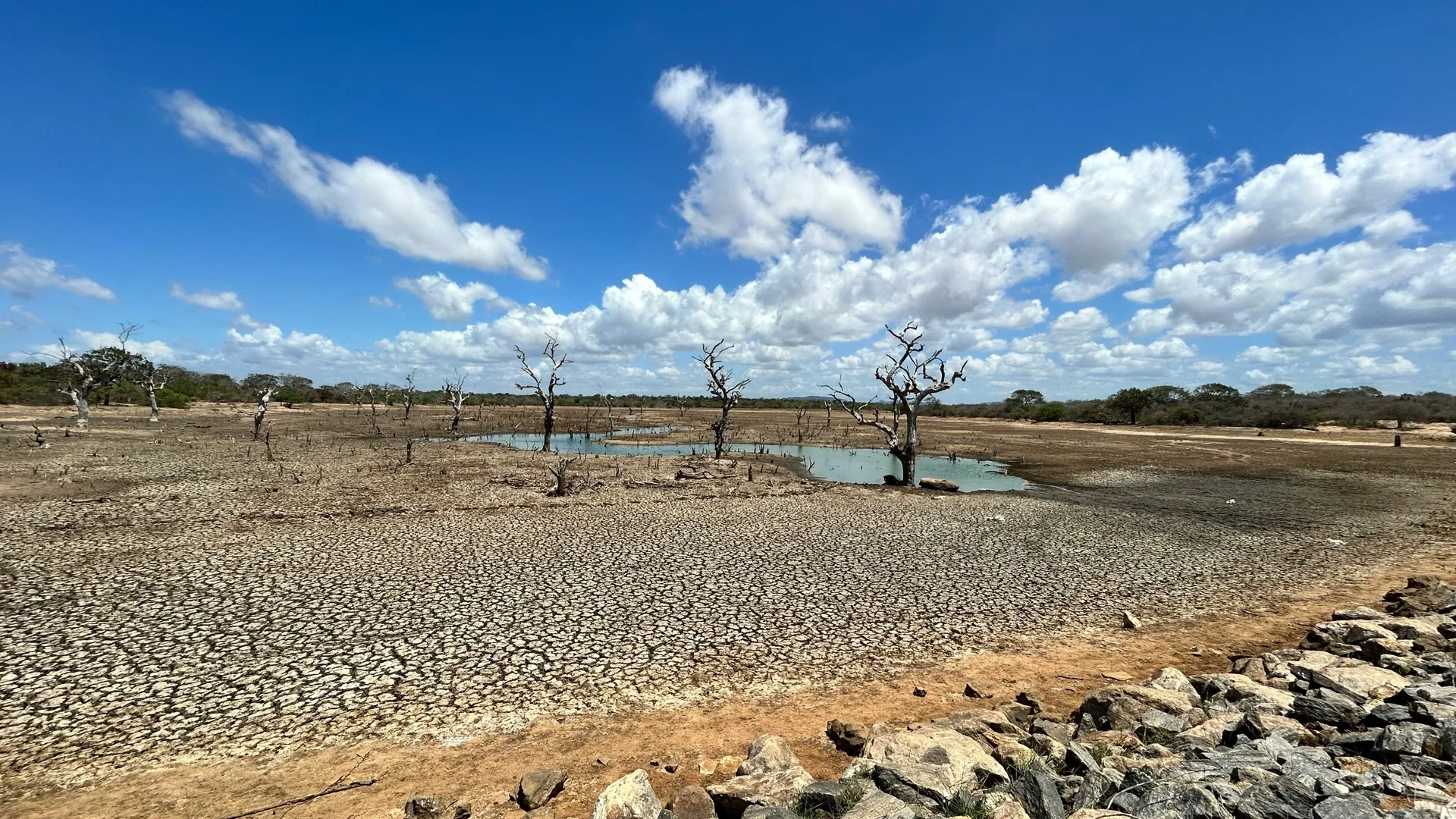
Noticing how climate change casts a shadow on Nigeria’s Sahel region, driving environmental degradation, disrupting livelihoods, and displacing communities, with grave consequences, leaving the most vulnerable in the society square up against human rights abuses in their search to escape their environmental misfortune, the authors saw imperative to study the phenomena.
This narrative review examines the human rights dimensions of climate change–induced migration in Nigeria’s Sahel region, where environmental degradation, livelihood disruption, and displacement have intensified. Anchored in environmental migration theory, a human rights–based approach, intersectionality theory, and governance and policy theory, it explores the drivers, impacts, and potential solutions to this complex issue.
Droughts, desertification, and erratic rainfall were identified as major environmental factors forcing communities to migrate. Climate change is shown to severely affect livelihoods and food security, raising serious human rights concerns related to access to food, water, health, and education, particularly for vulnerable groups.
Study results emphasize the need for a comprehensive response that combines climate mitigation and adaptation, stronger legal protections for climate migrants, humanitarian assistance, and investment in sustainable development, and it is concluded that improved collaboration and policy action among stakeholders are essential to address root causes, protect human rights, and ensure that equity and inclusion guide all interventions.
Learn more about this study here: https://doi.org/10.3968/13313
Reference
Nenger, Jerome A., Nancy U. Odimegwu and Casmir N. Nwankwo (2024), “The Impact of Climate Change on Forced Migration in the Sahel: Human Rights
Perspective (Nigeria as a case study)”, Canadian Social Science
Vol. 20, No. 1, 2024, pp. 23-31