
Tag: Displacement

  • Climate-Induced Migration: A Growing Concern for Global Food Security and Nutrition

    Climate-Induced Migration: A Growing Concern for Global Food Security and Nutrition

    Climate-induced migration has emerged as a critical challenge to global food security and nutrition, particularly in regions with fragile agricultural systems and limited adaptive capacity, and this review synthesizes recent evidence on the interconnections between climate change, migration, and food insecurity, focusing on the pathways through which environmental stressors drive displacement and alter access to adequate and nutritious food.

    It highlights how extreme weather events, land degradation, and resource scarcity disrupt agricultural livelihoods, leading to both voluntary and forced migration.

    It also explores how these movements reshape dietary patterns, increase malnutrition among migrants and host communities, and deepen socioeconomic inequalities.

    By analyzing policy gaps and resilience mechanisms, the authors propose an integrated framework that aligns climate adaptation, migration governance, and food-nutrition policies.

    It concludes with recommendations to strengthen climate-resilient food systems, improve institutional responses, and support vulnerable populations in achieving sustainable food and nutrition security in the context of increasing climate mobility.

    Learn more about this review here: https://doi.org/10.1016/j.foohum.2025.100954


    Reference

    Aremu, V. T., Adedeji, B. O., Ojediran, T. K., & Ajayi, A. F. (2026). Climate-induced migration: A growing concern for global food security and nutrition. Food and Humanity, 6
  • Vulnerabilities of Climate Change-Induced Displacement and Migration in South Asia

    Vulnerabilities of Climate Change-Induced Displacement and Migration in South Asia

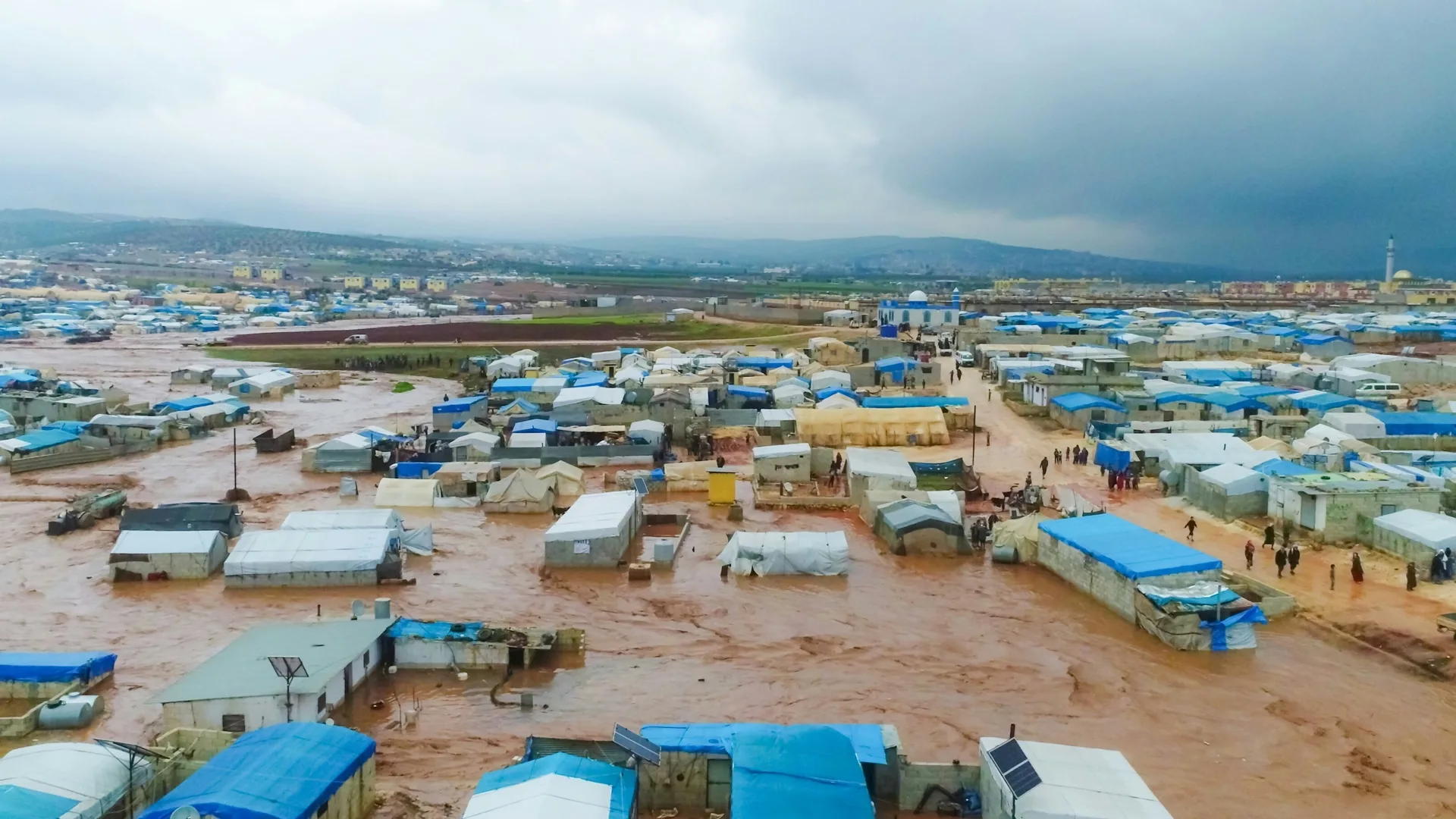
    South Asian countries are particularly vulnerable to climate change, a region particularly vulnerable to climate hazards, and where people rely heavily on livelihoods sensitive to the environment, such as agriculture or fishing, which can constantly lead to a risk in the decline of living standards.

    As such, climate threats promote inequality among people and destroy assets and infrastructure.

    Following this evidence, this study’s primary goal is to investigate the different aspects and severity of vulnerabilities brought on by displacement and migration brought on by climate change in South Asia.

    The themes covered are, in general, rapid urbanisation and the resulting hardships; health-related vulnerabilities; job and livelihood uncertainties; conflicts, security, and human rights issues; and effects on women, children, and older people.

    It concludes with policy recommendations, at least for South Asian countries, deemed essential but still lacking implementation, to save people from future danger.

    Learn more about this study here: https://doi.org/10.1007/s44282-025-00237-x


    Reference

    Harun, M., Rahman, A., & Ferdous, J. (2025). Vulnerabilities of climate change-induced displacement and migration in South Asia. Discover Global Society, 3(1)

  • Migration and Dignity – Relocation and Adaptation in the Face of Climate Change Displacement in the Pacific – A Human Rights Perspective

    Migration and Dignity – Relocation and Adaptation in the Face of Climate Change Displacement in the Pacific – A Human Rights Perspective

    In this study, the threat of climate-induced displacement facing millions of people is looked into, with particular attention to Small Island States in the Pacific. Focusing on the case of Kiribati, it analyzes the shift from the government’s former Migration With Dignity (MWD) relocation strategy to a new approach centered on economic development, climate adaptation, and mitigation.

    Using a human rights perspective, it seeks to explore and contrast the potential and limitations of cross-border relocation with the current adaptation strategy, illustrated by an urban and land development project in Temaiku Bight on South Tarawa.

    It further considers alternative pathways, including expanded labor migration quotas and humanitarian visas.

    The study demonstrates that neither adaptation nor relocation alone offers a sufficient solution. Instead, a combination of strategies is needed to protect dignity and rights. It concludes by outlining key policy issues that must be addressed to ensure meaningful, rights-based migration options for the people of Kiribati in the years ahead.

    The author also argues that while adaptation and economic growth may take some time and regional cross-border relocations give no precedent for best practice, the best solution is a combination of options which cannot exist in isolation, summing up the numerous policy issues which must be addressed for there to be any hope of migration and dignity for the people of Kiribati in the years to come.

    Learn more about this study here: https://doi.org/10.1080/13642987.2021.1889515


    Reference

    Kupferberg, J. S. (2021). Migration and dignity – relocation and adaptation in the face of climate change displacement in the Pacific – a human rights perspective. The International Journal of Human Rights, 25(10), 1793–1818