Tag: Climate Justice

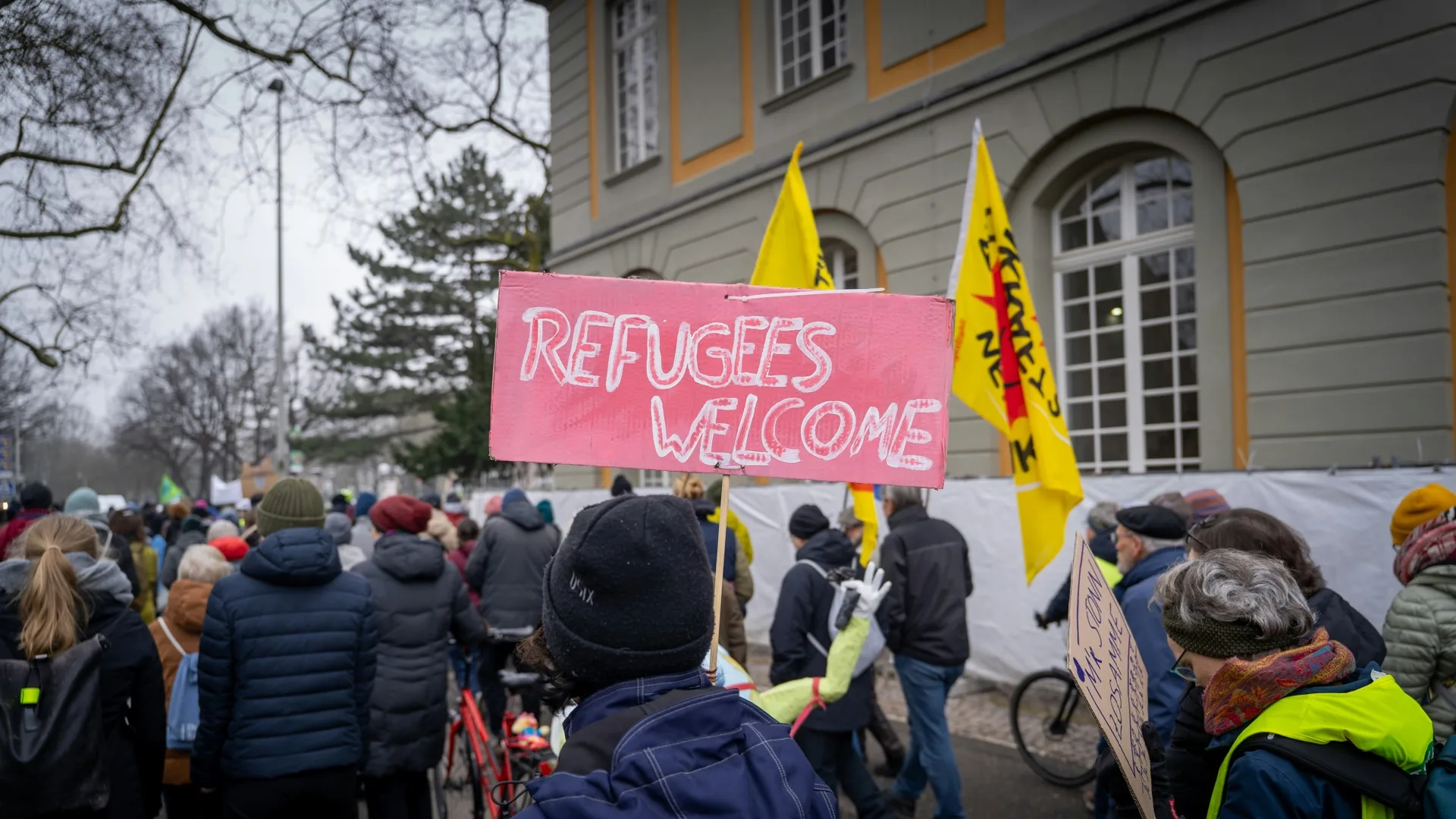
  • Climate Justice, Migration and Human Rights

    Climate Justice, Migration and Human Rights

    This article explains how a human rights – based, multi-stakeholder approach – incorporating corporate social responsibility – has emerged within the framework of climate justice.

    Climate justice is presented as a model that envisions international human rights standards implemented in accountable, transparent, and participatory ways. It notes the growing visibility and influence of global climate summits, court decisions, civil society organizations, and action networks in advancing this agenda.

    Beyond holding governments and corporations accountable, it explains how climate justice also provides a way to understand migration and human rights, and is also a way to conceptualise path dependencies assessing what climate change-affected migrants and other communities undergo in terms of human rights.

    Learn more about this article here: https://www.taylorfrancis.com/chapters/edit/10.4324/9781315622217-4/climate-justice-migration-human-rights-anja-mihr?context=ubx&refId=3124474b-677b-4881-88df-250c483f4986


    Reference

    Mihr, Anja (2017), “Climate justice, migration and human rights”, Climate Change, Migration and Human Rights, Routledge
  • Climate Justice Without Freedom: Assessing Legal and Political Responses to Climate Change and Forced Migration

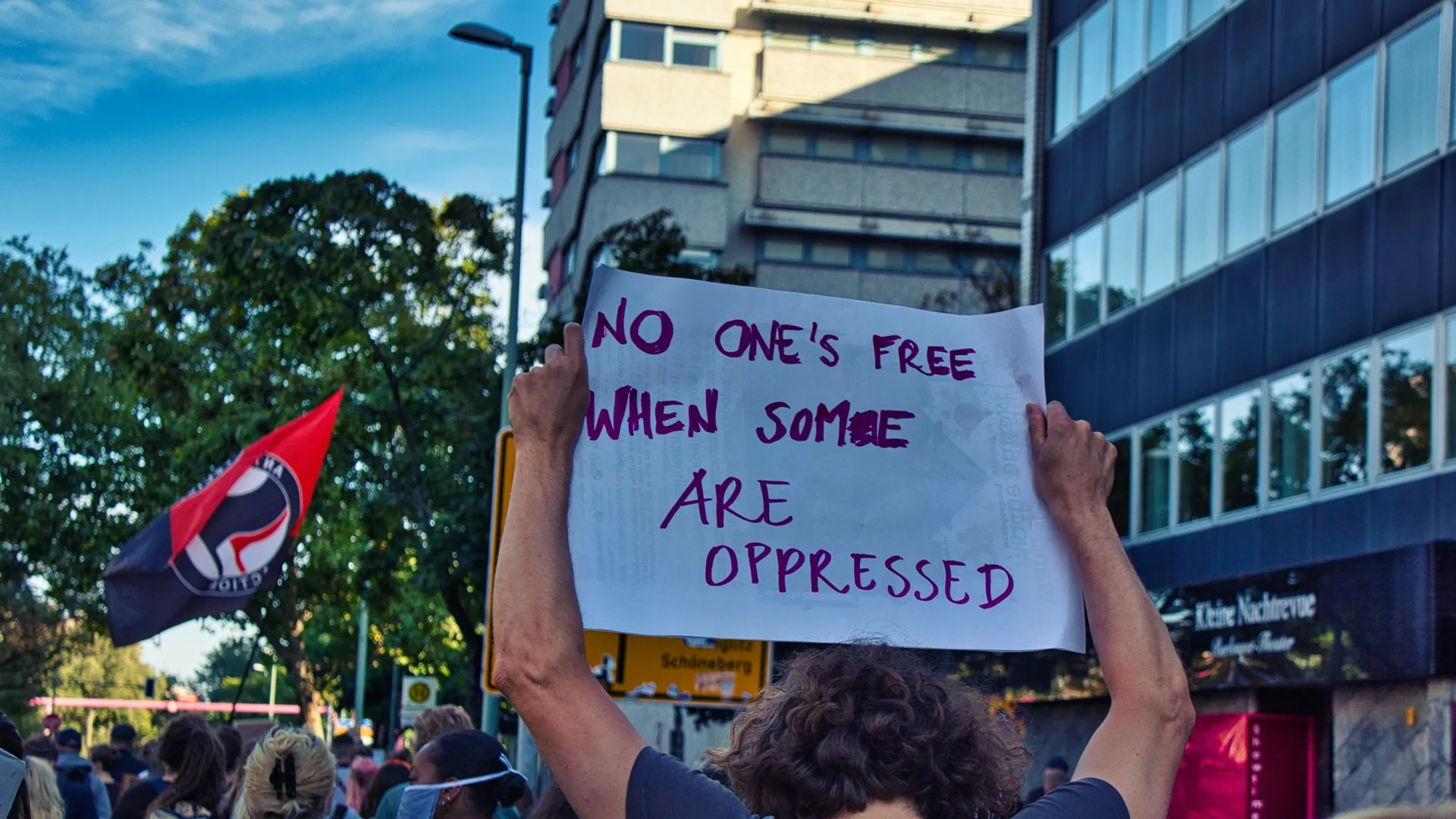
    Climate Justice Without Freedom: Assessing Legal and Political Responses to Climate Change and Forced Migration

    As storm surges, flooding, heatwaves, and prolonged drought, as ever more regular features of life under deteriorating climate conditions, are unmistakably violent, and their effects on the lives of vulnerable human populations and ecosystems across the world are devastating.

    At the same time, a legal order that denies the victims of such ecological persecution a safe haven, no matter how great its use of force (e.g., detention, arrest, forced return) cannot, by definition, be violent. This assumption is challenged in this paper.

    It argues that legal instruments are increasingly used to exclude those displaced by climatic conditions and to deny them sufficient normative status to ensure their safety.

    The author calls for a new critical normative understanding of the relationship between climate change, violence, justice, and law, an approach that would reassess the democratic justifications for existing policies and reaffirm the legal and political status of climate-displaced people as equal members of the international community.

    Learn more about this paper here: https://doi.org/10.1177/1368431015579967


    Reference

    Skillington, T. (2015). Climate justice without freedom: Assessing legal and political responses to climate change and forced migration: Assessing legal and political responses to climate change and forced migration. European Journal of Social Theory, 18(3), 288-307