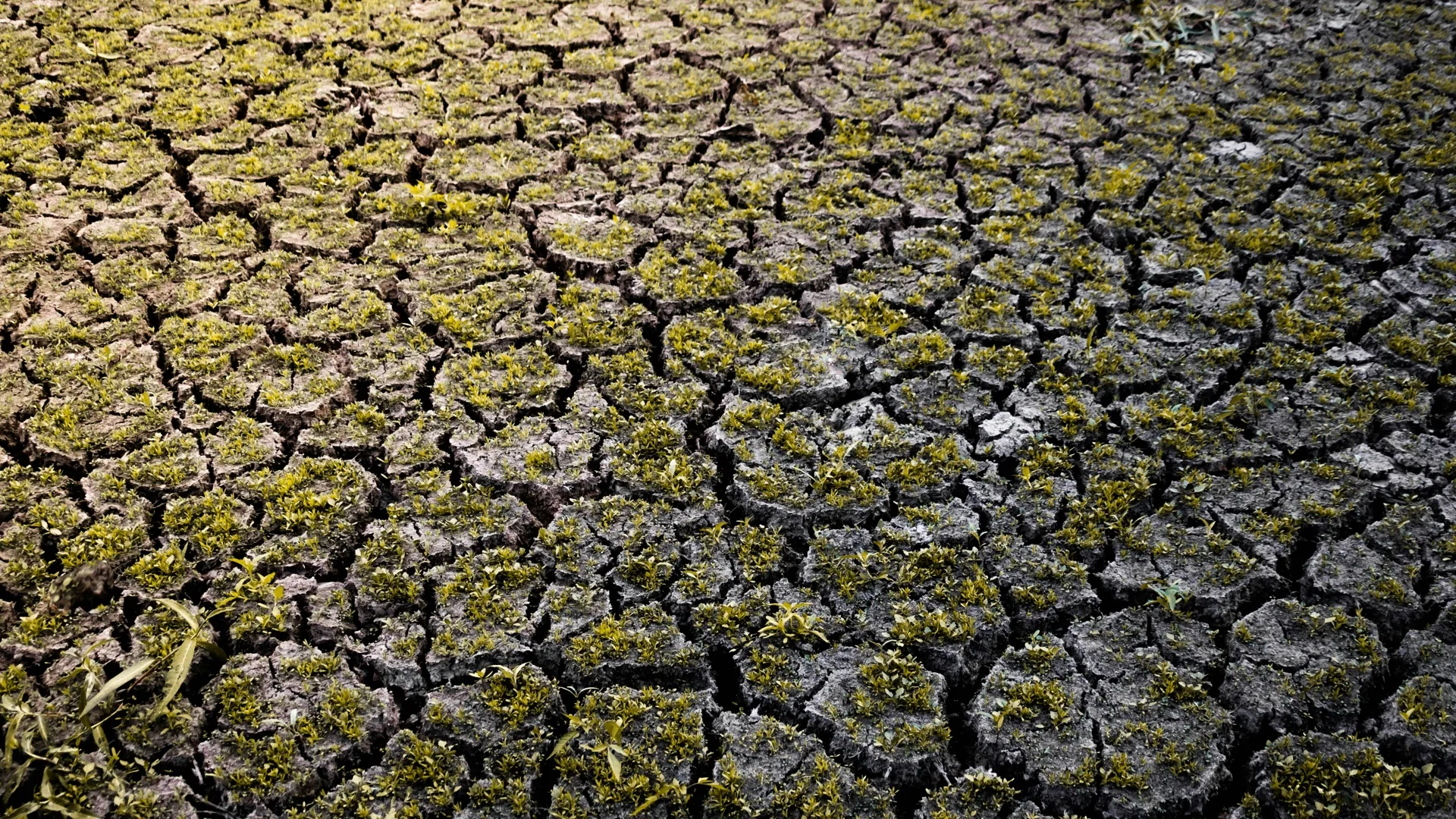
This study examines the interaction between environmental hazards and non-environmental factors that drive migration, augmented by the struggles they face and their urban survival strategies.
It focuses on Aila-induced migrants living in a slum in Khulna city, challenging the idea that environmental hazards alone explain migration from coastal areas.
Instead, it asserts that migration results from a convergence of multiple factors, like environmental stress, socio-political and economic vulnerabilities, and proximity to ecologically fragile regions. Although initially driven by subsistence needs, migration becomes a longer-term strategy for many marginalized individuals.
It is also emphasized how migrants form strong place-based networks that support their adaptation to urban life and help them cope with urban challenges, as well as the complexity of climate-induced migration and the need for comprehensive and context-sensitive policy responses.
Learn more about this study here: https://doi.org/10.1177/10704965231211589
Reference
Uddin, M. J. (2023). Climate Change, Vulnerabilities, and Migration: Insights from Ecological Migrants in Bangladesh. The Journal of Environment & Development, 33(1), 50-74