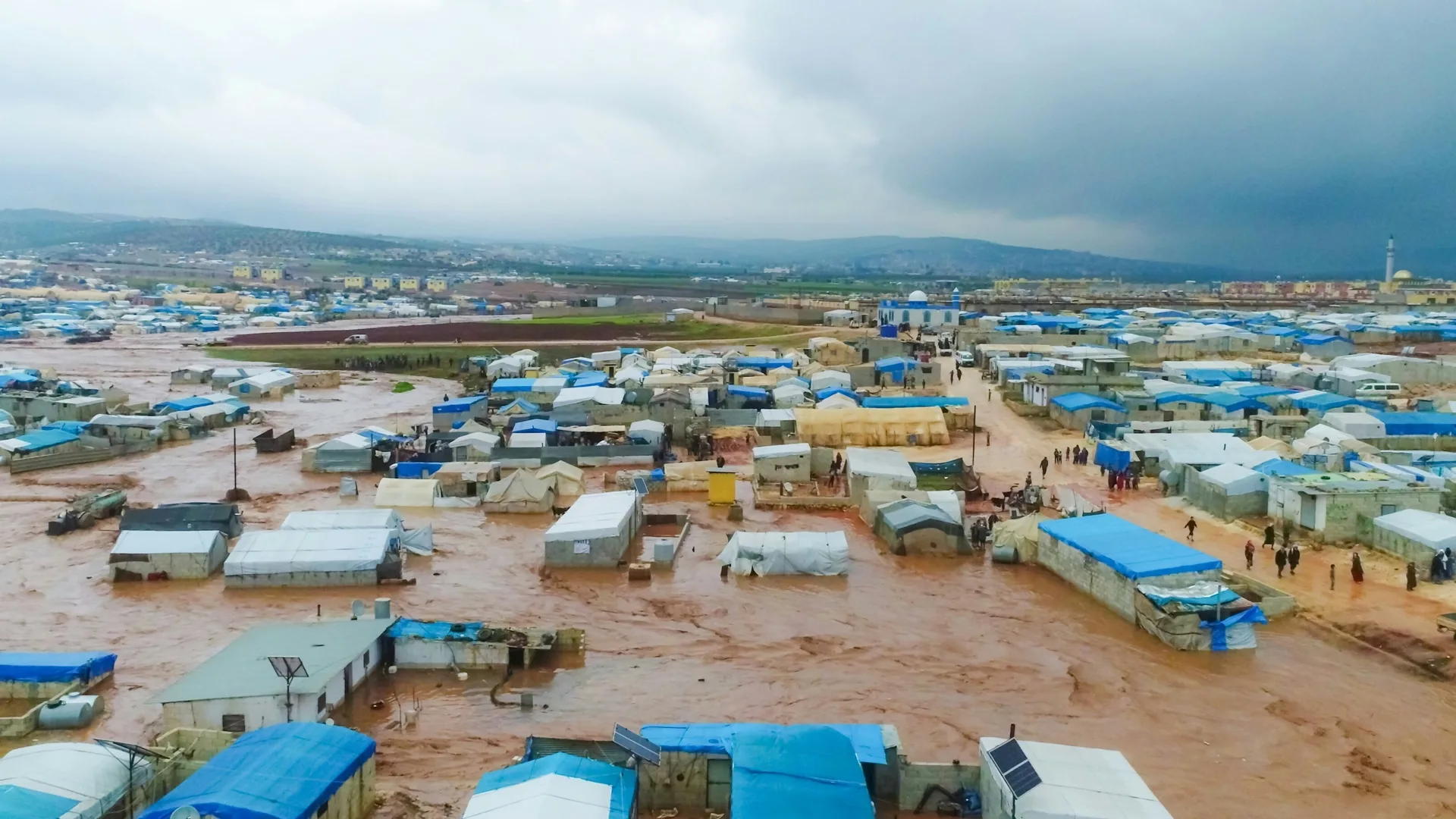
In this study, the threat of climate-induced displacement facing millions of people is looked into, with particular attention to Small Island States in the Pacific. Focusing on the case of Kiribati, it analyzes the shift from the government’s former Migration With Dignity (MWD) relocation strategy to a new approach centered on economic development, climate adaptation, and mitigation.
Using a human rights perspective, it seeks to explore and contrast the potential and limitations of cross-border relocation with the current adaptation strategy, illustrated by an urban and land development project in Temaiku Bight on South Tarawa.
It further considers alternative pathways, including expanded labor migration quotas and humanitarian visas.
The study demonstrates that neither adaptation nor relocation alone offers a sufficient solution. Instead, a combination of strategies is needed to protect dignity and rights. It concludes by outlining key policy issues that must be addressed to ensure meaningful, rights-based migration options for the people of Kiribati in the years ahead.
The author also argues that while adaptation and economic growth may take some time and regional cross-border relocations give no precedent for best practice, the best solution is a combination of options which cannot exist in isolation, summing up the numerous policy issues which must be addressed for there to be any hope of migration and dignity for the people of Kiribati in the years to come.
Learn more about this study here: https://doi.org/10.1080/13642987.2021.1889515
Reference
Kupferberg, J. S. (2021). Migration and dignity – relocation and adaptation in the face of climate change displacement in the Pacific – a human rights perspective. The International Journal of Human Rights, 25(10), 1793–1818